Indian music encompasses numerous genres in multiple varieties and forms which include classical music, folk, rock, and pop. It has a history spanning several millennia and developed over several geo-locations spanning the sub-continent. Music in India began as an integral part of socio-religious life.
Bengali music (Bengali: বাংলা সংগীত) comprises a long tradition of religious and secular song-writing over a period of almost a millennium. Composed with lyrics in the Bengali language, Bengali music spans a wide variety of styles.
Dancing Girl sculpture from the Indus Valley civilization (c. 4,500 years ago)
The Bengal region of the Indian subcontinent is currently split between the Indian state of West Bengal and the country of Bangladesh. West Bengal is still referred to as Bengal in the rest of India.
[26/07, 9:55 am] +91 70471 02357: The earliest music in Bengal was influenced by Sanskrit chants, and evolved under the influence of Vaishnav poetry such as the 13th-century Gitagovindam by Jayadeva, whose work continues to be sung in many eastern Hindu temples. The Middle Ages saw a mixture of Hindu and Islamic trends when the musical tradition was formalized under the patronage of Sultan and Nawabs and the powerful landlords baro bhuiyans.
Much of the early canon is devotional, as in the Hindu devotional songs of Ramprasad Sen a bhakta who captures the Bengali ethos in his poetic, rustic, and ecstatic vision of the Hindu goddess of time and destruction in her motherly incarnation, Ma Kali. Another writer of the time was Vidyapati. Notable in this devotional poetry is an earthiness that does not distinguish between love in its carnal and devotional forms; some see connections between this and Tantra, which originated sometime in the middle of the first millennium CE.
Khatunia Jotsna is now renowned poet, lyricist & composer. She has also published books & albums. Her fews just now…
Durga Puja also known as Durgotsava or Sharodotsav, is an annual Hindu festival originating in the Indian subcontinent which reveres and pays homage to the Hindu goddess Durga and is also celebrated because of Durga’s victory over Mahishasura. It is celebrated all over the world by the Hindu community but it is particularly popular and traditionally celebrated in the Indian states of West Bengal, Bihar, Assam, Tripura, Odisha, Jharkhand, Uttar Pradesh (eastern parts) and the country of Bangladesh. The festival is observed in the Indian calendar month of Ashwin, which corresponds to September–October in the Gregorian calendar. Durga Puja is a ten-day festival, of which the last five are of the most significance. The puja is performed in homes and public, the latter featuring a temporary stage and structural decorations (known as pandals). The festival is also marked by scripture recitations, performance arts, revelry, gift-giving, family visits, feasting, and public processions. Durga Puja is an important festival in the Shaktism tradition of Hinduism. Durga Puja in Kolkata has been inscribed on the Intangible cultural heritage list of UNESCO in December of 2021.
Ma Durga
Durga Puja as a harvest festival :
Om you are rice [wheat…], Om you are life, you are the life of the gods, you are our life, your are our internal life, you are long life, you give life, Om the Sun with his rays (….)
— Hymn to start the Durga Puja, Translator: David Kinsley
. В воздухе мечты Я никогда не поднимал парус лодки Разум сожжен из-за Лу Сколько раз я проигрывал к лицам и маскам
Кто всегда теряет человека Опять пытаются прикрыть посыпая солью Какой бы еще приятный звук хороший фонтан никогда не может течь как мелодия к ним
Поверь мне… слово вера Фанус бытия сейчас Все кончено… пока никто ничего не понял.
Сегодня человеческий разум потерян под покровом маленьких чувств Я один… ты один в безмозглой цивилизации Все одиноки… каждое одиночество слилось в одно.
. [Примечание:
Loo Wind – Это также называется горячей волной. Этот Лу — сильный, пыльный, жаркий и сухой летний ветер с запада, который дует над районом Индо-Гангской равнины в Северной Индии и Пакистане.
Фанус (Phanus) – это называется бумажный шар или воздушный шар или фонарь. Из бумаги делают воздушный шар, который выносится в небо с помощью горячего дыма или газа. ]
Independence Day is celebrated annually on 15 August as a public holiday in India commemorating the nation’s independence from the United Kingdom on 15 August 1947, the day when the provisions of the Indian Independence Act, which transferred legislative sovereignty to the Indian Constituent Assembly, came into effect. India retained King George VI as head of state until its transition to a republic, when the Constitution of India came into effect on 26 January 1950 (celebrated as Indian Republic Day) and replaced the dominion prefix, Dominion of India, with the enactment of the sovereign law Constitution of India. India attained independence following the independence movement noted for largely non-violent resistance and civil disobedience.
. In der Traumluft Ich habe noch nie das Segel eines Bootes gehisst Mein Verstand ist wegen Loo verbrannt Wie oft habe ich verloren zu Gesichtern und Masken
Die immer Menschen verlieren Wieder versuchen sie, es zu vertuschen durch Streuen von Salz Was auch immer der angenehme Klang sein mag Der schöne Brunnen kann niemals fließen als Melodie für sie
Glauben Sie mir … das Wort Glaube ist der Fanus des Jetztseins Alles ist zu Ende… bevor irgendjemand etwas versteht.
Der menschliche Geist ist heute verloren im Schutz kleiner Gefühle Ich bin allein… du bist allein in der geistlosen Zivilisation Alle sind allein… jede Einsamkeit ist zu einer verschmolzen.
. [ Hinweis:
Klowind – Dies wird auch als heiße Welle bezeichnet. Dieser Loo ist ein starker, staubiger, heißer und trockener Sommerwind aus dem Westen, der über die Indo-Gangetic-Ebene in Nordindien und Pakistan weht.
Fanus (Phanus) – Dies wird Papierballon oder Luftballon oder Laterne genannt. Der aus Papier gefertigte Ballon, der mit Hilfe von heißem Rauch oder Gas in den Himmel geschossen wird. ]
. En el aire del sueño Nunca he izado la vela de un barco La mente está quemada por Loo Cuantas veces he perdido a rostros y máscaras
Que siempre están perdiendo humanos De nuevo tratan de taparlo. rociando sal Cualquier otra cosa el sonido agradable de bonita fuente nunca puede fluir como melodía para ellos
Créeme… la palabra fe es el Fanus del ser ahora Todo es fin… antes de que nadie entienda nada.
La mente humana está perdida hoy. en la cubierta de pequeños sentimientos estoy solo… tu estas solo en la civilización sin sentido Todos estan solos… cada soledad se ha fusionado en una.
. [ N.B –
Loo Wind – Esto también se llama ola caliente. Este Loo es un viento de verano fuerte, polvoriento, caliente y seco del oeste que sopla sobre la región de la Llanura Indo-Gangética del norte de la India y Pakistán.
Fanus (Phanus) – Esto se llama globo de papel o globo de aire o linterna. El globo de papel que se lleva a cabo en el cielo con la ayuda de humo caliente o gas. ]
. सपनों की हवा में मैंने कभी नाव का पाल नहीं उठाया लू के कारण दिमाग जल गया है मैं कितनी बार हार चुका हूं चेहरों और मुखौटों को
जो हमेशा इंसानियत खोते रहते हैं वे फिर से इसे ढकने की कोशिश करते हैं नमक छिड़क कर और जो भी सुखद ध्वनि हो अच्छा फव्वारा कभी नहीं बह सकता उनके लिए राग के रूप में
मेरा विश्वास करो… आस्था शब्द अब होने का फैनुस है सब ख़त्म है… इससे पहले कि कोई कुछ समझ पाता.
आज मानव मन खो गया है छोटी-छोटी भावनाओं की आड़ में अकेले हम अकेले तुम नासमझ सभ्यता में सब अकेले हो रहे हैं… प्रत्येक अकेलापन एक में विलीन हो गया है।
. [एन.बी.-
लू पवन – इसे गर्म लहर भी कहते हैं। यह लू पश्चिम से चलने वाली तेज़, धूल भरी, गर्म और शुष्क ग्रीष्म हवा है जो उत्तर भारत और पाकिस्तान के सिन्धु-गंगा के मैदानी क्षेत्र में चलती है।
फैनस (फैनस)- इसे पेपर-बैलून या एयर बैलून या लालटेन कहा जाता है। कागज से बना गुब्बारा जिसे गर्म धुएँ या गैस की सहायता से आकाश में उड़ाया जाता है। ]
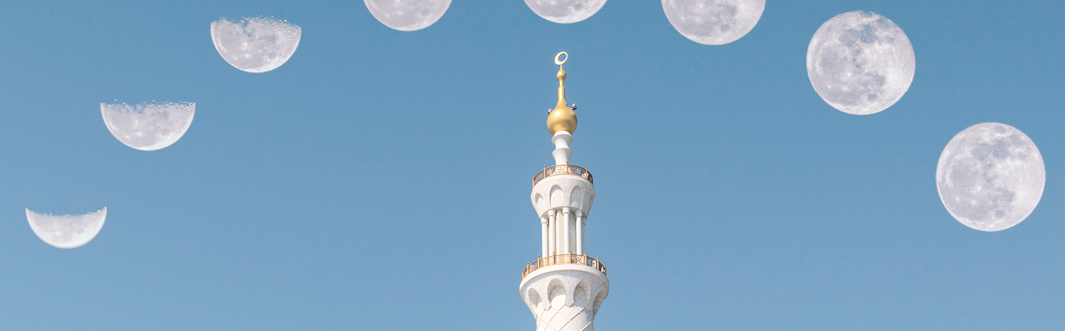
Muḥarram (Arabic: ٱلْمُحَرَّم) is the first month of the Islamic calendar. It is one of the four sacred months of the year when warfare is forbidden. It is held to be the second holiest month after Ramadan.
Muharram, also known as Muharram-ul-Haram, is the first month of the Hijri calendar and thus marks the beginning of the Islamic year. It is the only month which Allah’s name has been attached to – the Prophet Muhammad (saw) referred to it as ‘the Sacred Month of Allah’ – and is thus a highly blessed month. It is one of the four sacred months, and its special importance is indicated by its name. The word ‘Muharram’ literally means ‘forbidden’ – i.e. it is so sacred that certain actions become forbidden during it, as they would violate its sanctity. Both the month of the Muharram and Allah’s House (Al-Masjid Al-Haram) derive their names from the same Arabic root word; both are sacred spaces in which every deed, good or bad, weighs heavier on the scales.
🔺 Muharram always special :
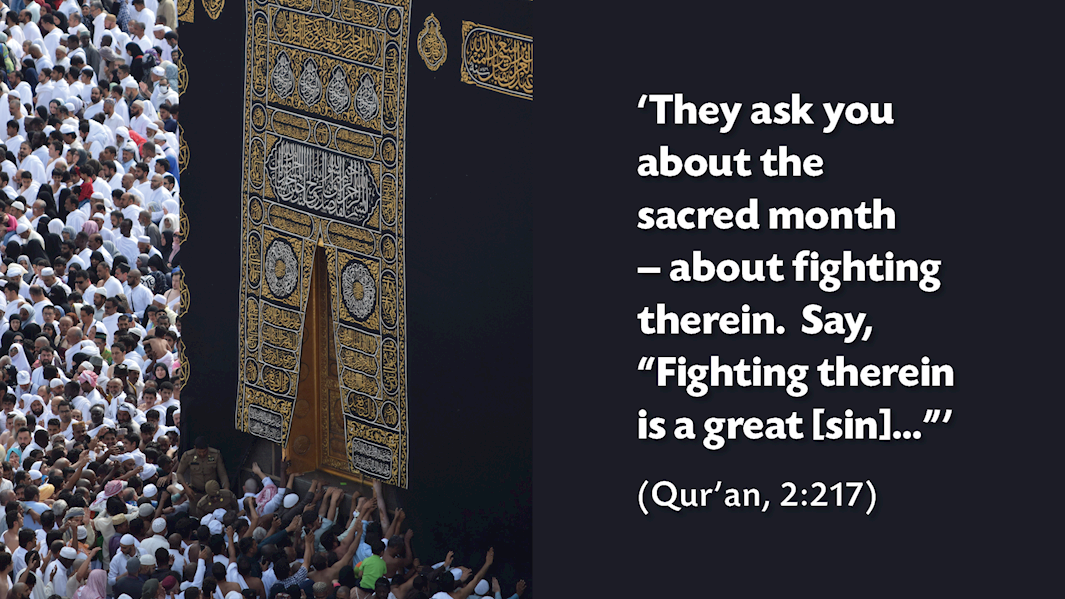
’Indeed, the number of months with Allah is twelve[lunar] months in the register of Allah [from] the day He created the heavens and the earth; of these, four are sacred. That is the correct religion, so do not wrong yourselves during them…’ (Qur’an, 9:36)
Regarding this verse, Ibn Katheer (rh) explains, ’Allah has chosen elites from His creation: from among the angels He chose Messengers, from among mankind He chose Messengers, from among speech He chose remembrance of Him (dhikr), from among spaces on earth He chose the mosques, from among the months He chose Ramadan and the sacred months…So, venerate that which has been chosen by Allah, for people of understanding and wisdom respect that which has been chosen by Him’. (Tafseer Ibn Katheer)
Therefore,Muharram is special simply because Allah has chosen it to be so. He commands us not to ‘wrong ourselves’ during this sacred month, which essentially means to ensure we have pure intentions and righteous behaviour and don’t fall into sin.
🔺 Four sacred months :
Allah has also chosen Muharram, Rajab, Dhul-Qa’dah and Dhul-Hijjah as sacred months.
Historically, one of the practical consequences of Dhul-Qa’dah, Dhul-Hijjah and Muharram being sacred was that pilgrims would be allowed to perform Hajj safely without worrying about banditry or war. Fighting was forbidden during Dhul-Qa’dah, when they would be travelling to make the Hajj; Dhul-Hijjah, when they would be performing Hajj in Makkah and its surroundings; and Muharram, when they would be returning home from Hajj. This standard was upheld by the Arabs in pre-Islamic times, and Allah confirms it in the Qur’an.
Rajab, meanwhile, is the seventh month of the Hijri calendar and stands alone as a sacred month. Historically, this was to allow people to perform ’Umrah in Rajab if they wanted to.
🔺 Benefits of Muharram :
Although many of us understand the importance of the month of Ramadan, we can often neglect the sacred months. However, they offer us a wealth of opportunities to seek the mercy and favour of Allah, the likes of which cannot be found at any other time of the year. They have been specifically selected by Allah Himself as the best times to draw closer to Him.
As mentioned before, our deeds carry more weight during Muharram, just as they carry more weight in the Ka’bah and its surroundings. Thus, there is an opportunity to gain more reward every day; but also the danger of gaining more sins with our bad deeds. This means we should be extra-vigilant when it comes to how we act, whether in our relationships, at work, in our worship, in our time management, or even how we take care of our health. With the right intention, every single action can become an opportunity for reward!
We’ve put together a quick list of easy ways to take advantage of the benefits of Muharram :
🔹 Say salaam more! This is the greeting of the Prophet (saw) and the people of Paradise, and such a simple action can reap countless rewards and forgiveness.
🔹 Smile at everyone (even on Monday mornings). This simple action will weigh heavy on the scales during Muharram.
🔹 Give regular Sadaqah. Muharram is the beginning of the Islamic New Year, so it’s the perfect time to make resolutions and establish good habits that you can reap the rewards of all-year round
🔹 Improve your health by eating better, exercising more and having a good sleeping routine. Yes, taking care of your health is a rewardable action too – your body is an amanah (trust) from Allah! Making a few lifestyle changes can earn you countless rewards.
🔹 Seek forgiveness. Since sins are heavier in Muharram, you should ask for forgiveness as often as possible during this month, or even erase your sins by giving water to the people of Yemen, which is a great Sadaqah Jariyah.
🔹 Read more Qur’an. It’s an obvious one that always gets put on these lists – but it’s the perfect way to draw closer to Allah during this incredible month! The best way to do it is to commit to just 10-15 minutes per day; set yourself a time and stay disciplined! Hopefully, you will stick to this New Year’s resolution if you establish the good habit during Ramadan.
🔼 These actions aren’t specific to Muharram, but they are highly recommended, and it makes sense to increase them during this blessed month!
🔺Some recommended actions or Sunnah during Muharram :
It is highly recommended to fast as much as possible during Muharram (though fasting the whole month is reserved for Ramadan only). The Messenger of Allah (saw) said, ‘The best fasting after Ramadan is the Sacred Month of Allah (Muharram)…’ (Muslim)
In fact, the sanctity of Muharram was so established that even the Quraysh in the days of Jahiliyah (ignorance) used to fast on certain days. One such day is the Day of ’Ashura (the 10th of Muharram), which celebrates Allah (swt) freeing Prophet Musa (as) and his people from the bonds of Pharaoh :
The Messenger of Allah (saw) said thatfasting on the day of ’Ashura , ‘expiates the minor sins of the past year’ (Muslim). It is, therefore, highly recommended to fast on this day.
The Prophet (saw) also advised us to also fast on the 9th and/or 11th of Muharram in order to differentiate between his Ummah and the People of the Book and as we know, following his Sunnah contains immense blessing. We have another blog post about the Day of ’Ashura if you want to learn more about this amazing day, from its history to its numerous blessings.
🔺 Important Dates In Muharram :
🔹 1st Muharram: Death anniversary of Umar Ibn Khattab (R.A)
🔹 2nd Muharram: Hussain Ibn Ali (R.A) entered Karbala and established his camp. Yazid’s forces were present surrounding him.
🔹 7th Muharram: After Yazid’s order, access to water was banned for Hussain Ibn Ali (R.A).
🔹 8th Muharram: Martyrdom of Zain Ul Abideen (R.A), son of Hussain Ibn Ali (R.A) was the only survivor of the battle of Karbala.
🔹 9th Muharram: The evening of this date is considered important as the next day (10th Muharram) is the day when Hussain Ibn Ali (R.A) and Abbas Ibn Ali (R.A) was martyred along with his household leaving only Zain Ul Abideen (RA) as the only male survivor of the Karbala.
🔹 10th Muharram: It is the day of Ashura; it was when Hussain ibn Ali (R.A) was martyred after Abbas (R.A) was martyred at the Euphrates River in Karbala. It was the day when Musa (A.S) was recused from Pharoah.
🔹 15 Muharram: Birth of Muhammad Sirajuddin Naqshbandi in 1297 AH (1879 AD).
🔹 20th Muharram: Death of Bilal (R.A) first Muazzin of Islam.
🔹 28 Muharram: Death anniversary (urs) of Ashraf Jahangir Semnani, an Indian Sufi saint, in 808 AH (1405 AD).
🔺 Muharram in Colonial Paintings :
The observance of Muharram dates back to Sultanate period in north India. But its representation in paintings is extremely rare before the arrival of the British. No painting depicting Muharram procession or mourning assembly during Delhi Sultanate has so far been traced. Similarly, no Muharram painting of Mughal era has been located. It is quite surprising, for festivals like Holi have found place in the works of painters active during Mughal period. Muharram also does not figure in the miniature paintings produced during the reign of Jahangir. His rule is considered to be golden period of Mughal paintings. Jahangir specially focused on miniatures and they are available in large number but none probably presents any Muharram ceremony. This feature is again strange, considering the fact that Jahangir’s wife was an Imami and her entire family was held in high esteem by the emperor. Jahangir has never been described as a liberal monarch like his illustrious father Akbar the Great. But no Muharram painting of Akbar’s has also been found as yet.
Since Akbar’s father Humayun had won back the throne of Hindustan with the help of Persian King, he only allotted place for keeping tazias but never engaged any painter to portray observance of Muharram. Shahjahan too ignored likewise and his successor and son Aurangzeb is infamous for his anti-Imami attitude. Later Mughals remained too preoccupied with their own problems and failed to patronize any form of art. The absence of Muharram paintings during Muslim rule over India indicates that Imamis did not profess their faith openly and they mostly remained under taqaiyya. The approach of Feroz Tughlaq against Imamis and barbaric execution of Qazi Nurullah Shustri is pointer to the fact that despite enjoying high ranks in the court, pro-Ahlebait elements passed their lives with caution. Under such circumstances, no Imami noble could have dared to direct any artist to prepare a Muharram painting. As there were no patronisers and takers, painters too refrained themselves from paintings depicting the observance of Muharram.
Things took a drastic change after the arrival of British. A number of paintings and prints of Muharram processions and majlises are available and most of them were the result of patronage extended by the British Sahibs in 18th and 19th century. As new entrants, the British were interested in learning the Indian customs, festivals and culture. Since photography had yet to take birth, Europeans living and working in the Indian subcontinent, especially British employees of the East India Company engaged artists to depict Indian festivals. They even commissioned Indian artists like Sitaram for the purpose. The outcome of such endeavors is called as company paintings and Muharram figures very prominently in the colonial paintings. These paintings represent fusion of traditional Indian artistic styles with conventions and technical features borrowed from western art. A famous painting in which Muharram has been depicted is part of an album, known as the Gentil Album, commissioned by a French infantry colonel, Jean-Baptiste-Joseph Gentil (1726-1799).He had served under Nawab Shuja-Ud-Daula of Awadh. Another interesting Muharram painting was done by Colonel Robert Smith (1787-1873) .Painted with oil on canvas, the painting shows a Muharram procession proceeding to Bara Imambara in Lucknow.
Painting Attributed to Colonel Robert Smith
Nawabs of Murshidabad despite their subordination to East India Company never compromised with the grandeur of Muharram ceremonies. Being Imami they not only observed Muharram with royal touch but also commissioned artists to represent Azadari rituals in paintings like the British. There is a group of nine paintings, depicting a durbar (public reception) at Murshidabad, various Hindu and Muslim festivals.A local artist copied it, probably from an original oil painting by George Farington. He had remained in Murshidabad from 1785 to 1788. His original painting is lost but its copy is still preserved. This painting shows Muharram processionists, carrying ‘tazias’ (replica of Imam Hussain’s shrine at Karbala) for immersion in the river. A very impressive Muharram painting represents patna. This painting demonstrates with how much grandeur and mass participation Muharram was observed in Patna (See Below)
A very beautiful painting of muharram Procession in black and white colors is also worth mentioning here . It was printed undewr the title “Festival of the Moharram, Funeral of Houssein and Hoossein, India,” by H. Melville, Fisher, Son, & Co., in 1840 in London.( See Pic. below)
In the context of colonial Muharram paintings, Alam Musawwir also deserves to be mentioned. A 19th century artist, he drew the famous Muharram Procession paintings of Dhaka in water color.. Nothing is known about the personal life of Alam. He was a contemporary of Nawab Nusrat Jung and presumably painted the procession series under his patronage. Alam Musawwir’s Muharram Procession paintings portray the life style of the Nawab and his retinue, Company officials, and commoners as well as destitute. These paintings also represent important landmarks of old Dhaka, such as the palace and the portals of the Naib-i-Nazim of Dhaka at Nimtali. Musawwir and his pupils worked on hand-made paper a little larger in size as compared to Mughal miniatures. His style is influenced by both Mughal qalam and the Company style. Musawwir is known for using an indigenous color scheme with some traces of European perspective. (References available on request- Pix courtesy- Google Images))
🙏 ( Muharram in Colonial Paintings by Dr.Mazhar Naqvi) 🙏
FAQs : Muharram 2023
1. What is Muharram 2023?
Ans:- This month is known as the month of Allah. The month of Muharram started on July 19, 2023. The 10th and the most important day i.e., Ashura will be observed tomorrow i.e., on July 29, 2023. Muharram has a great significance among Muslims.
2. Why was Muharram celebrated?
Ans:- For Shia, Muharram commemorates the death of the Prophet Muhammad’s grandson, Hussein Ibn Ali. After questioning the legitimacy of the caliph Yazid, Hussein was murdered during the Battle of Karbala, which took place on the day of Ashura in the year AD 680.
3. What Muslims do in Muharram?
Ans:- Some Muslims may observe fast on this day. Saturday, July 29, 2023 – The 10th of Muharram, also known as Ashura. This is the main day of mourning for Shia Muslims. There will be special prayers and processions in mosques and other public places.
4. Is Muharram a Sunni or Shia festival?
Ans:- According to Sunni Muslims, fasting on Ashura, the tenth day of the Islamic month of Muharram was a practice established by Muhammad in the early days of Islam that commemorates the parting of the Red Sea by Moses. While in Shia Islam, Muharram is a month of remembrance.
5. What is Muharram history in short?
Ans:- Muharram has historical importance for both Sunni and Shia Muslims. It commemorates significant events, including the martyrdom of Imam Hussein (the grandson of Prophet Muhammad) in the Battle of Karbala in 680 CE. This battle holds immense religious and political significance in Islamic history.
6. Is Muharram happy or sad?
Ans:- Today, some highly practicing Muslims around the world might observe Muharram with an optional fast on the 10th day. In addition, Muharram is a time of mourning. The grandson of Prophet Muhammad was martyred in Muharram; an event that is commemorated with great emphasis.
7. What happened on 7 Muharram?
Ans:- 7 Muharram: Access to water was banned to Husayn ibn Ali by Yazid’s orders. 61 AH (680 AD). 8 Muharram: Referred to as the Muharram Rebellion, the day on which Bengali Muslims in Sylhet lead one of the earliest anti-British uprisings in the subcontinent. 1197 AH (1782 AD).
8. What happened on 9 10 Muharram?
Ans:- It occurs annually on the 10th of Muharram, the first month of the Islamic calendar. Among Shia Muslims, Ashura is observed through large demonstrations of high-scale mourning as it marks the death of Husayn ibn Ali (a grandson of Muhammad), who was beheaded during the Battle of Karbala in 680 AD.
9. What is the real story of Muharram?
Ans:- Muharram commemorates the martyrdom of Imam Hussein, Prophet Muhammad’s grandson, and his companions at the Battle of Karbala in 680 AD. This battle symbolizes the fight for justice against oppression. Imam Hussein’s refusal to submit to the tyrannical ruler Yazid that ultimately led to his sacrifice.
10. What happened on 10 Muharram in Karbala?
Ans:- Recent News. Battle of Karbala, (October 10, 680 [10th of Muḥarram, ah 61]), brief military engagement in which a small party led by al-Ḥusayn ibn ʿAlī, grandson of the Prophet Muhammad and son of ʿAlī, the fourth caliph, was defeated and massacred by an army sent by the Umayyad caliph Yazīd.
11. What is the 10 importance of Muharram?
Ans:- 10 Muharram: Referred to as the Day of Ashurah (lit. “the Tenth”), the day on which Husayn ibn Ali was martyred in the Battle of Karbala. Shia Muslims spend the day in mourning, while Sunni Muslims fast on this day, commemorating the rescue of the Israelites by Musa (Moses) from Pharaoh.
12. Is Muharram mentioned in Quran?
Ans:- The first month, Muharram, is one of the four sacred months mentioned in the Quran (although not mentioned by name), along with the seventh month of Rajab, and the eleventh and twelfth months of Dhu al-Qi’dah and Dhu al-Hijjah, respectively, immediately preceding Muharram.
13. What Islam says about Muharram?
Ans:- The highly blessed month of Muharram is one of the four sacred months outlined by Allah (SWT) and is of particular significance – warfare is absolutely forbidden. Its importance is suggested by its name, with ‘Muharram’ literally translating to ‘forbidden’.
May this sacred month and this new year bring us closer to Allah.
A rhyme is a repetition of similar sounds (usually the exact same phonemes) in the final stressed syllables and any following syllables of two or more words. Most often, this kind of perfect rhyming is consciously used for a musical or aesthetic effect in the final position of lines within poems or songs. More broadly, a rhyme may also variously refer to other types of similar sounds near the ends of two or more words. Furthermore, the word rhyme has come to be sometimes used as a shorthand term for any brief poem, such as a nursery rhyme or Balliol rhyme.
The earliest surviving evidence of rhyming is the Chinese Shi Jing (ca. 10th century BCE). Rhyme is also occasionally used in the Bible.
Classic of Rhyme (11th – 7th centuries
The first song of the Classic of Rhyme, handwritten by the Qianlong Emperor, with accompanying painting.
Bengali Rhymes :-
Rhymes(Chhara) are jingoistic lucid style uttered by human mouths. It is usually composed in tonal rhythm. A person who writes rhymes is called a rhymer. Rhymes like ‘Chelebhulano Rhyme’, ‘Ghum Parani Rhyme’ have been in use for a long time. Rhyme’s main claim is sonority and melody, not meaning.
In the ancient times ‘Chhara’ did not get the status of literature but today it has managed to get the respect it deserves. Although many still consider rhyme literature as a branch of children’s literature or do not want to recognize rhyme in the mainstream of literature. Some consider rhyme to be poetry, as well as the position of these rhymed rhymes (endymillas) or verses in the era of modern prose poetry. But the main difference between verse (poetry) and rhyme is- the statement of verse is simple and clear but rhyme is mysterious.